

Outdoor Safety Lockers
The storage of flammable liquids, hazardous chemicals, and combustible materials outdoors requires specially designed equipment, rather than makeshift solutions. Outdoor safety cabinets are designed in such a way that they fulfill all the necessary requirements for handling dangerous substances safely and securely under the challenging outdoor conditions.
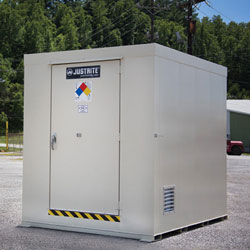
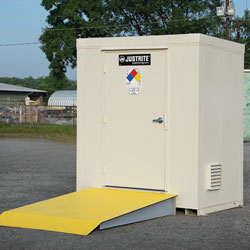
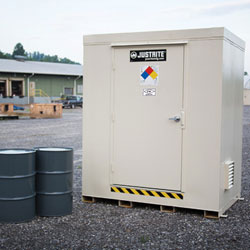
Non-combustible lockers represent the foundational tier within this category. Fabricated from heavy-gauge steel with double-wall construction and passive ventilation, these units are designed for facilities requiring compliant containment of moderate chemical inventories without fire-rated certification. They are well-suited to maintenance facilities, warehousing operations, and production yards where access control and vapor management are the primary storage objectives.
High-risk facilities that keep petrochemicals within close proximity of their processing machinery or that store chemicals in close proximity to buildings that may be inhabited will need to have added protection in the form of fire-resistant lockers rated at 4-hour and 2-hour levels. The level of rating is important because a 2-hour fire-resistant locker will provide enough time for emergency response activities.
Components in both classifications are usually listed by UL and designed according to NFPA 30 standards, although it is recommended that the specifying group verify compliance in relation to the jurisdiction and intended use.
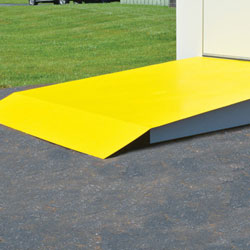
The components of the safety lockers include spill containment sumps, forklift pockets, ramps, and improved ventilation systems.
Secondary containment and proper ventilation cannot be ignored. Without these elements, the effectiveness of a locker, despite having all the necessary features, may fail. Purchasing departments are recommended to consider the need for these components while choosing the locker itself.
FAQ’s:
1. What is the difference between a non-combustible locker and a fire-rated locker?
Noncombustible lockers will inhibit fire spread, but not all lockers are tested for extended fire exposure. Lockers with a fire rating of up to 2 hours or 4 hours are required.
2. Do outdoor safety lockers need to be anchored to a surface?
Yes, in most cases. Many jurisdictions require it, and unanchored units pose a real liability. Anchoring provisions are built into the base, refer to the product's installation documentation.
3. Can flammables and corrosives be stored together in the same locker?
No, incompatible chemicals should be stored separately according to the guidelines of OSHA and the NFPA. You must have separate lockers for each chemical class, it’s a safety and compliance issue.
4. How do I determine the right locker size for my facility?
Match capacity to your maximum storage volume and container format. Sizing up by one tier is advisable, it supports growth and keeps the unit safely below its rated maximum.