

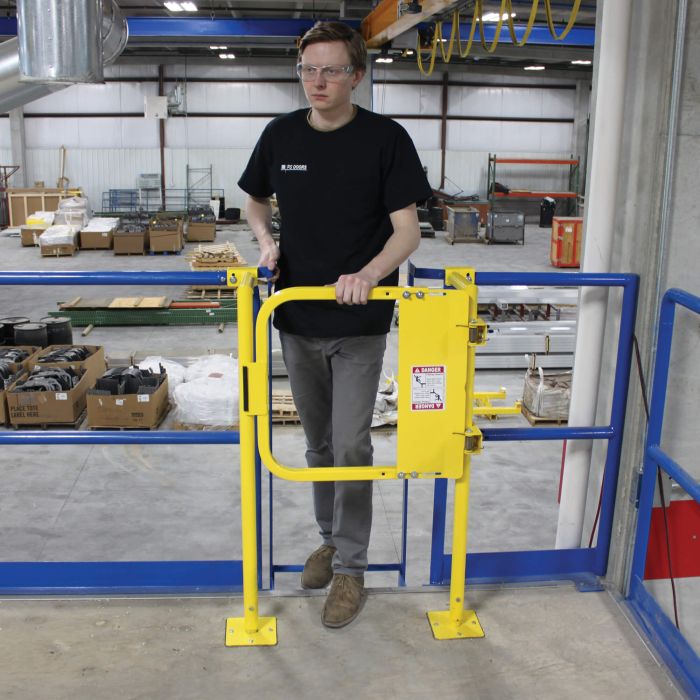
The industrial electrician's work is regularly exposed to live systems, working in confined spaces and hazardous environments. A tiny error can cause injuries, damage to equipment, or costly downtime of production. It is for this reason that appropriate industrial safety equipment should always form a part of any industrial electrical activity.
The guide covers the primary types of workplace safety equipment employed with electrical tools and how to apply these to the work, and some of the factors to consider when selecting them.
What Is Industrial Safety Equipment?
Industries employ industrial safety equipment, which consists of tools used to prevent workers from encountering dangers. These range from PPE safety equipment to industrial workplace protection equipment. This equipment includes gloves, goggles, protective breathing apparatus, falling arrest gear, and so forth.
Different types of industrial safety equipment protect from various types of hazards. Correct equipment use for the correct application is critical.
Common Workplace Hazards Requiring PPE
Industrial safety equipment is used to manage risks such as:
- Falling objects
- Chemical exposure
- Airborne dust and fumes
- Excessive noise
- Slips and falls
- Machinery-related injurie
Knowledge about these hazards aids in the selection of construction safety equipment and industrial protective equipment.
10 Essential Categories of Workplace Safety Gear
Below are ten essential categories commonly used across various sectors.
1. Protective Gloves for Hand Safety
The Hands are always vulnerable to being injured from cuts, abrasions, burns, and chemical splash injuries. The protective gloves act as the most effective form of protection by reducing direct exposure and protecting workers from harm while working.
Common types of protective gloves include:
- Cut-resistant gloves for fabrication work
- Chemical-resistant gloves for liquid handling
- Heatproof gloves for work under high temperatures
- Disposable gloves for hygiene-sensitive areas
2. Eye Protection for Impact and Splash Hazards
Eye injury normally occurs due to flying pieces, sparks, and splashes of liquids. The use of eye protection equipment is strongly advised while working in workshops, construction, and repair work.
Examples of such equipment include:
- Safety glasses
- Protective goggles
- Fog-resistant goggles
Fit and lens types depend on work conditions.
3. Hearing Protection in High-Noise Areas
Repeated exposure to loud sounds among those operating high-power industrial equipment can also cause permanent hearing damage. Good hearing protection is a must in factories, warehouses, and production plants.
Common solutions:
- Earplugs for extended wear
- Earmuffs for higher noise reduction
4. Respiratory Protection for Airborne Risks
Dust, fumes, and particulates are found in most industrial processes. Wherever you can, use respiratory protection to reduce the risk of breathing in any substances.
Examples include:
- Particulate respirators
- Disposable masks
These are extensively used in sanding, cutting, and handling chemicals.
5. Fall Protection Equipment for Working at Height
Jobs done at height are likely to cause severe injuries if not done properly. Fall protection is a must for safe construction and maintenance activities.
Typical equipment:
- Safety harnesses
- Lanyards
- Anchor points
Correct usage and training are essential for effectiveness.
6. Protective Clothing and Cleaning Wear
The protective garment is to protect from contamination, sparks, and other dangerous substances, etc. Protective cleaning clothing is normally used in an environment.
Examples include:
- Coveralls
- Lab coats
- Disposable protective wear
7. Head Protection Equipment
Head injuries result from falling objects or blows to the head. Helmets and hard hats are standard construction safety equipment.
Key considerations:
- Impact resistance
- Proper fit and adjustment
- Electrical insulation, if required
8. General Safety Equipment for Industrial Use
Various types of safety equipment are commonly used in different industries to enhance visibility and minimize hazard risk
Some examples are:
- Safety helmets
- High-visibility vests
- Basic protective accessories
9. Safety Gear for Technicians and Maintenance Work
Technicians often work in confined areas and close to moving equipment and electric wires. Safety gear for technicians must effectively protect without hindering movement for intricate procedures.
Common items:
- Insulated gloves
- Protective eyewear
- Respirators
10. Industrial Worker Safety Tools for Hazard Control
Some industrial worker safety tools are designed to control hazards rather than just protect against them.
Examples:
- Lockout/tagout accessories
- Safety indicators
- Barrier systems
These tools help prevent accidental machine operation and unsafe access.
Real-World Use Cases
In a warehouse:
- Workers handling goods use gloves for grip and protection
- High-visibility vests improve safety around moving equipment
- Helmets reduce impact risk
In a fabrication or workshop setting:
- Eye protection prevents injuries from sparks
- Respirators reduce exposure to dust
Key Considerations When Choosing Industrial Safety Equipment
The selection process for optimal industrial protective equipment requires organizations to utilize a hands-on approach, which involves testing equipment under real-life conditions. Consider the following points when choosing the safety equipment:
1. Identify the Hazard
Understand whether the risk is mechanical, chemical, electrical, or environmental.
2. Verify Compliance Standards
Ensure that all workplace protection equipment meets the appropriate safety standards.
3. Prioritize Fit and Comfort
Poorly fitting safety equipment is frequently uncomfortable to wear, and this may have an impact on its usage every day.
4. Assess Durability
Decide between disposable and reusable products according to the application.
5. Ensure Compatibility
Different types of PPE need to be compatible and should not restrict the movement of the user or their ability to see.
Take Away
Workplace safety can be guaranteed by choosing appropriate industrial safety equipment. All the equipment types mentioned above have particular applications aimed at minimizing the risk associated with different activities. Inspection of the equipment, proper use of the equipment, and proper selection according to the risks present are important aspects in ensuring workplace safety.
For businesses sourcing reliable workplace safety gear and industrial worker safety tools, Industrial Products provides a practical range aligned with everyday industrial requirements.
FAQs
What are the most important PPE items for industrial workers?
The most basic forms of PPE are head protection (hard hat), eye protection (safety glasses), hand protection (gloves), and foot protection (safety boots). The “most important” category of PPE depends on the risk type at a particular job site.
Why is personal protective equipment important in workplaces?
The protection equipment creates a safety barrier that prevents workers from reaching dangerous areas. The use of personal protective equipment enables workers to work in dangerous environments through its ability to reduce their risk of exposure to hazards.
What type of safety gear is required in construction sites?
Construction sites require safety vests, hard hats, and fall protection harnesses and safety shoes as necessary safety equipment. The work activities will determine the need for ear protection and respirators.
How do you choose the right industrial safety equipment?
The risks that are present in the work area will determine the outcome of the decision. The worker needs to match the correct protective equipment, which should be selected based on the identification of three hazard types.
What are the common workplace hazards that require PPE?
A few typical dangers are falling or flying objects, loud noise, poisonous chemicals, electrical high voltage, and working at height. For every risk or danger, there is a different kind of industrial protective clothing.
How often should safety equipment be replaced?
The frequency of replacement differs. Most hard hats will last between 2 and 5 years before they must be replaced. Fall arrest harnesses are taken out of service and never used again once involved in a fall, or they are showing signs of deterioration.