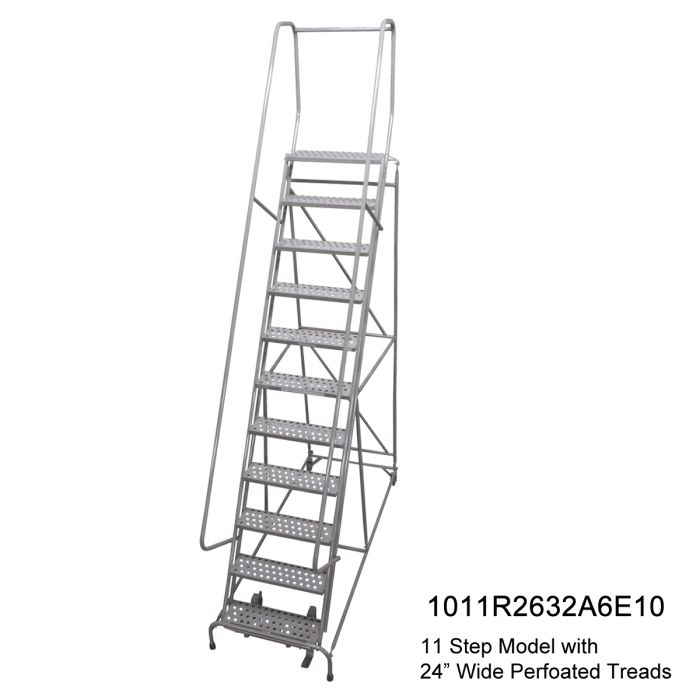
Selecting the best warehouse ladder isn’t about picking any model off the shelf - lasting problems often start with a rushed decision, not with how the ladder is used. While different options might look similar at first glance, small variations in design, climbing angle, platform size, and mobility can have a big impact on day-to-day workflow and safety.
It’s common for ladder choices to be made quickly, especially when a sudden change in warehouse layout or new safety concern arises. Many buyers focus on obvious criteria: height, cost, and what’s in stock. But once the ladder is in regular use, its shortcomings become clear. Congested aisles, awkward movement, or unsafe ‘workarounds’ can become the new normal-unless you start with the right equipment.
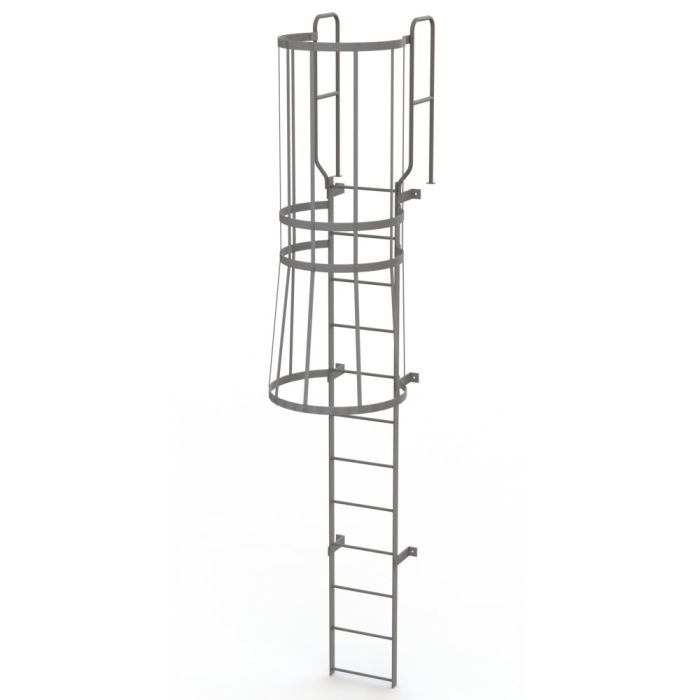
OSHA Fixed Ladder Requirements 2026: A Complete Compliance Guide
Falls remain one of the most common causes of serious work-related injuries and deaths. For facility managers and safety officers, keeping up with regulation changes isn't just about avoiding fines—it is about ensuring every worker goes home safely at the end of the day.
If you manage a facility with fixed ladders, you are likely aware that OSHA regulations underwent a massive shift starting in 2016. Now, in 2026, we are well into the implementation phase of these updated standards. The days of relying solely on metal cages for safety are over. The focus has shifted entirely to active fall arrest systems.
Reaching New Heights: The Power of Genie Aerial Work Platforms
When it comes to working at height, stability and reach are non-negotiable. Whether you are changing a lightbulb in a high-ceilinged warehouse or performing intricate maintenance on a building facade, the equipment you choose defines the safety and efficiency of the job. For decades, one name has been synonymous with lifting innovation: Genie.
Genie Aerial Work Platforms (AWPs) are a staple in industries ranging from construction to retail. Known for their reliability and user-friendly design, these lifts allow workers to perform tasks at height with confidence. This post explores why Genie AWPs are the preferred choice for professionals and how they can transform safety and productivity
Every year, thousands of people get injured when they could have been saved if they had just known how to use a ladder. Whether it’s a homeowner cleaning gutters on a weekend or a construction worker accessing elevated workspaces, the same basic principles apply. Knowing these principles isn’t just about following rules – it’s about saving lives and preventing accidents that can change everything in an instant.
Why Ladder Safety Matters More Than Ever
The Hidden Dangers of Ladder Use
Ladders seem simple, but they present unique challenges that catch many people off guard. The combination of height, balance, and often time pressure creates scenarios where small mistakes can have big consequences. Unlike other tools, ladders require you to literally put your life on the line, so safety knowledge is key.
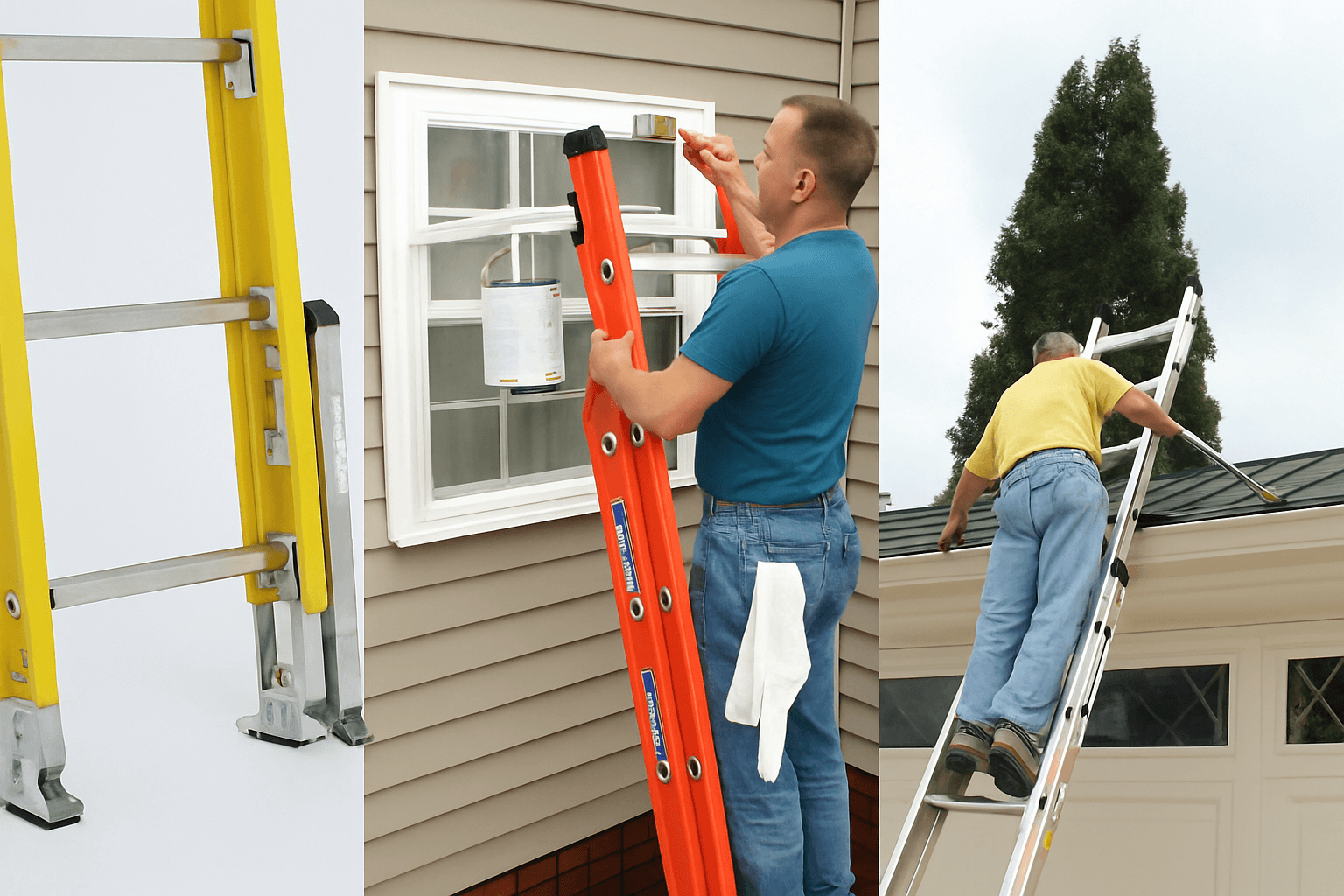
You're standing in your facility, looking up at that piece of equipment that needs maintenance, and suddenly you're faced with a decision that seems simple but really isn't: which is better aluminum or fiberglass ladder for your specific job?
I've been in this exact situation more times than I can count, and let me tell you - choosing the wrong ladder doesn't just slow down your project. It can create serious safety hazards that nobody wants to deal with. Whether you're managing an industrial facility or working as a contractor, getting this decision right matters more than you might think.
Let's Talk About What Really Makes These Ladders Different
Here's the thing about the fiberglass vs aluminum ladder debate - it's not just about picking the shiniest option or going with whatever's cheapest. These materials behave completely differently in real-world situations.
I remember working with a maintenance team that kept
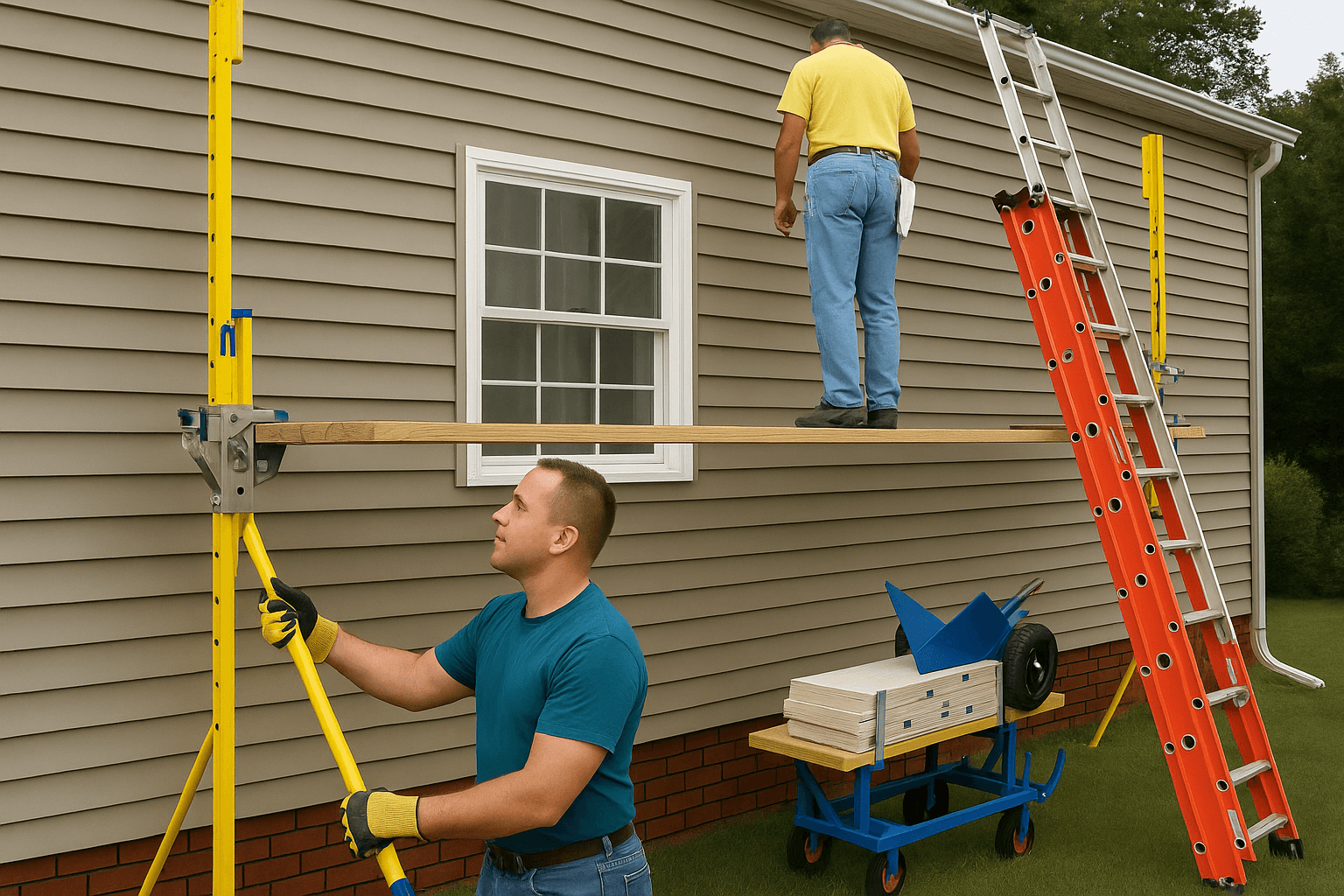
Exterior construction projects demand the right equipment to get the job done safely and efficiently. Whether installing new siding, touching up paint on a three-story building, or replacing windows on a commercial structure, having reliable access to elevated work areas can make or break a project timeline.
Pump jack scaffolding systems have become the go-to choice for many contractors who need adjustable, dependable access without the complexity of traditional frame scaffolding. But with so many options flooding the market, picking the right system isn't always straightforward.
The wrong choice leads to wasted time, frustrated crews, and potentially dangerous situations. The right system transforms challenging projects into manageable tasks while keeping workers safe and productive.
What Makes Pump Jack Systems Different
Traditional scaffolding requires assembly piece by piece, often taking hours to set up properly.
Workplace safety is the responsibility of industries and construction sites to ensure that workers, employees, and resources get a safe workplace by following safety norms and industry standards to mitigate injuries due to hazardous situations like fire, electrical issues, and physical injuries. According to OSHA - the Occupational Safety and Health Administration, “The main goal of safety and health programs is to prevent workplace injuries, illnesses, and deaths, as well as the suffering and financial hardship these events can cause for workers, their families, and employers.” It makes your workplace compliance-ready and a preferable place where the workforce feels safe to work and helps improve productivity. Construction sites are one of those industrial spaces that are more prone to workplace injuries and illnesses when safety measures are lacking. At construction
Ladders and stepladders are wonderful tools to reach and access height at various worksites, warehouses, stores, and renovation sites, as well as access overhead storages of homes. At homes, it simplifies access to spaces like attics without permanent stairways and is essential for worksites where it often requires reaching at height for various maintenance and installation works. However, it has some safety concerns if not used correctly, so here are some safe ladder best practices tips to take into consideration while using. These precautions make workplace ladder safety a usual norm for a safer workplace.
Ladder Safety Best Practices
Let’s discuss the safety measures and best practices for using different types of ladders and follow them
Using all the workplace equipment safely is of paramount importance to avoid any injuries and stay protected at work. One such important workplace equipment is personnel lift. It is also called man lift or personnel hoist. It is a type of vertical lifting equipment transporting people to elevated areas. Generally, these personnel lifts are used in construction, maintenance, and industrial settings.
Types of Personnel Lifts: Scissor, Boom, and Vertical
i. Scissor Lifts: Scissor-like structure of scissor lifts helps in extending vertically and elevating a platform. They have indoor and outdoor applications.
ii. Boom Lifts: Boom lifts fall under the category of
Scaling new heights is an everyday affair for those working in the industrial and construction sectors. Whether it's reaching elevated areas or navigating tricky spots, the right ladder is an essential tool of the trade. Despite being a common sight, ladders in these settings are designed with specific roles and safety standards in mind.
Selecting the appropriate ladder isn't just about convenience; it's crucial for ensuring safety and efficiency on the job site. The right ladder can prevent accidents, enhance productivity, and ensure that tasks are completed effectively. This article will explore the various types of ladders indispensable for industrial and construction work.