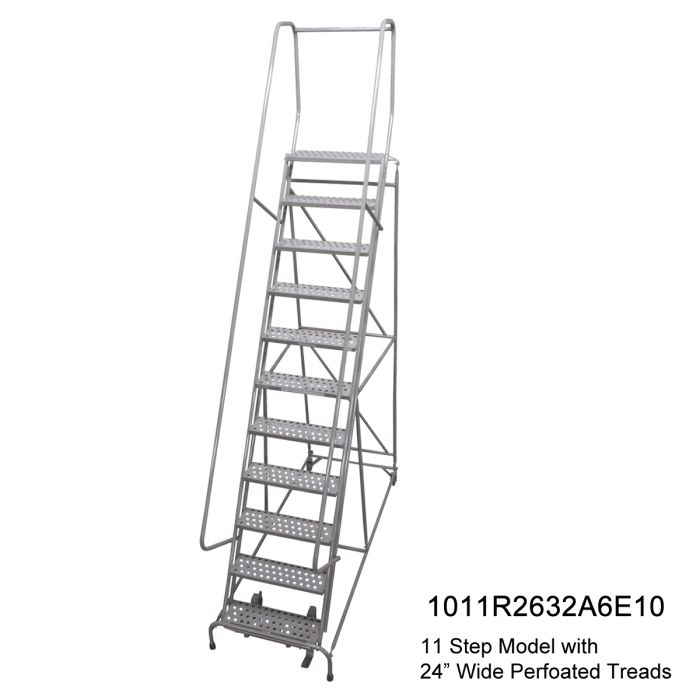
Selecting the best warehouse ladder isn’t about picking any model off the shelf - lasting problems often start with a rushed decision, not with how the ladder is used. While different options might look similar at first glance, small variations in design, climbing angle, platform size, and mobility can have a big impact on day-to-day workflow and safety.
It’s common for ladder choices to be made quickly, especially when a sudden change in warehouse layout or new safety concern arises. Many buyers focus on obvious criteria: height, cost, and what’s in stock. But once the ladder is in regular use, its shortcomings become clear. Congested aisles, awkward movement, or unsafe ‘workarounds’ can become the new normal-unless you start with the right equipment.
Every roofing job relies on moving materials from the ground to the roof quickly and safely. When equipment limits your capacity, creates awkward staging areas, or requires constant moving, you lose time. Instead of relying on your tools, your crew ends up working around them.
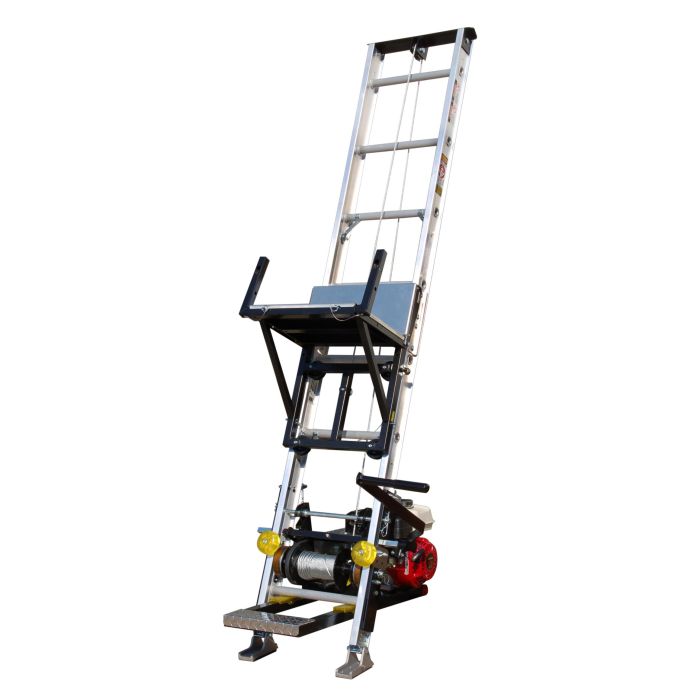
You rarely pick a shingle hoist as a standalone piece of gear. You need to look at capacity, ladder sections, power sources, and platform types as a complete package. A hoist with great lifting power won't help much if the ladder is too short or the platform doesn't fit your materials. This mismatch causes staging delays and forces your team to do more heavy lifting by hand. Most experienced crews build their hoist setups around the work they do every day. Good planning accounts for how many bundles you move, where you access the roof, and how often you need to move the equipment. When you keep materials moving smoothly, your team can focus on installing shingles instead of fighting with the machinery.