
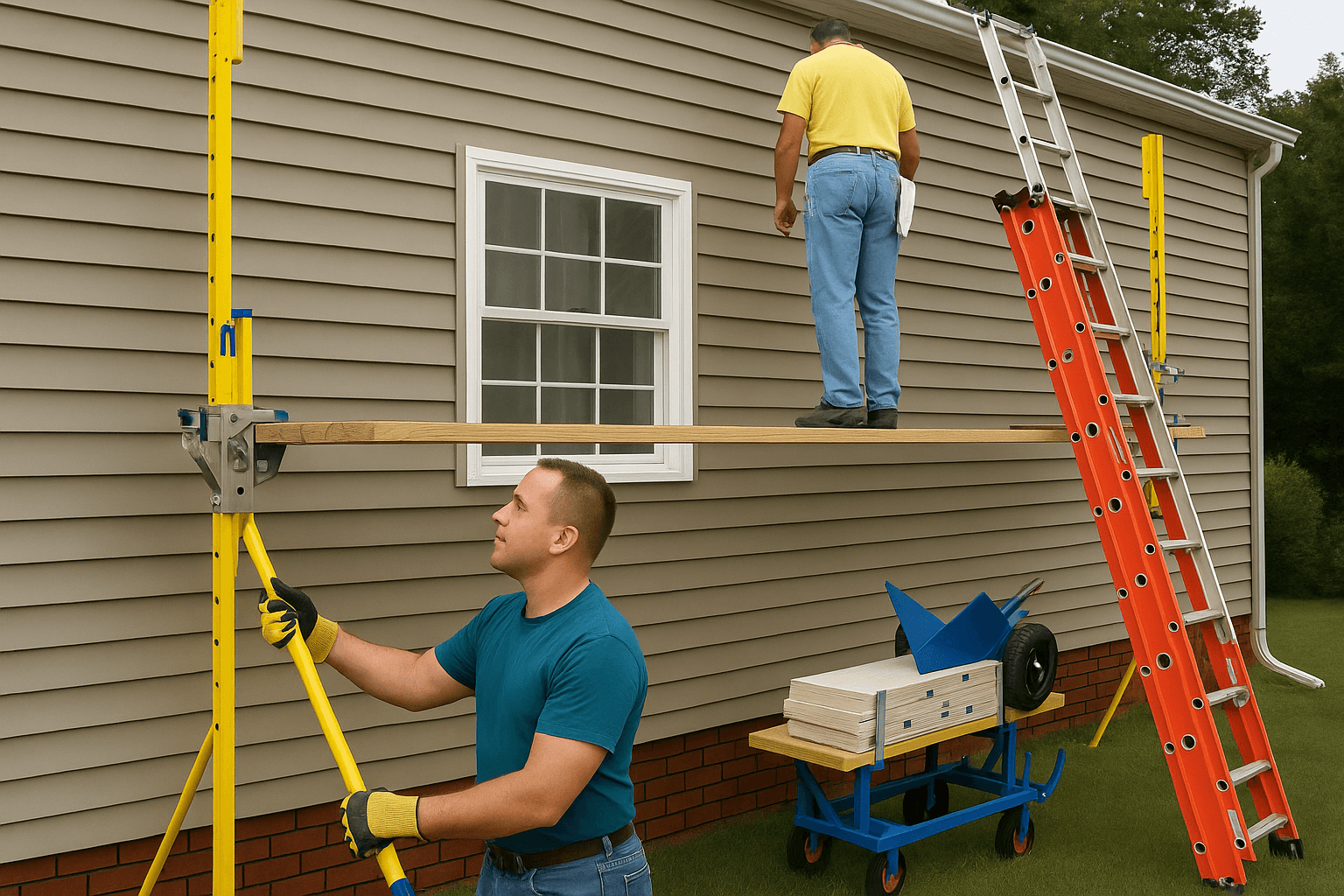
Exterior construction projects demand the right equipment to get the job done safely and efficiently. Whether installing new siding, touching up paint on a three-story building, or replacing windows on a commercial structure, having reliable access to elevated work areas can make or break a project timeline.
Pump jack scaffolding systems have become the go-to choice for many contractors who need adjustable, dependable access without the complexity of traditional frame scaffolding. But with so many options flooding the market, picking the right system isn't always straightforward.
The wrong choice leads to wasted time, frustrated crews, and potentially dangerous situations. The right system transforms challenging projects into manageable tasks while keeping workers safe and productive.
What Makes Pump Jack Systems Different
Traditional scaffolding requires assembly piece by piece, often taking hours to set up properly. Pump jack systems work differently. These mechanical marvels use vertical poles combined with adjustable jacks to create working platforms that move up and down with simple hand pumping or hydraulic operation.
The beauty lies in their simplicity. A basic pump jack scaffolding setup typically includes pump jacks, support poles, working platforms, and safety components such as guardrails. The pump mechanism does the heavy lifting - literally - allowing workers to adjust their working height throughout the day without climbing up and down repeatedly.
Contractors love these systems for residential work like siding installation and exterior painting. The platforms stay level while moving vertically, creating stable work surfaces that adapt to different building heights. No more guessing whether the platform will be too high or too low for the next section of work.
Matching Systems to Project Demands
Not all pump jack systems handle the same workload. A weekend warrior painting his house has different needs than a commercial contractor installing metal siding on a warehouse.
Heavy-duty projects require systems with higher weight capacities and beefier construction. Multiple workers, tools, and materials add up quickly. Lightweight residential systems buckle under commercial demands, creating safety hazards and project delays.
Siding pump jacks are engineered specifically for exterior cladding work. They accommodate the extended reach needed for material handling and provide stable platforms for precise installation work. Standard systems might work for basic tasks, but specialized applications demand purpose-built solutions.
Project duration matters too. Short-term jobs benefit from quick-setup systems, even if they cost slightly more. Long-term projects justify more complex setups that optimize productivity over weeks or months.
Material Choices That Matter
The aluminum versus steel debate continues among contractors, and both materials have their place. Aluminum pump jack systems weigh less, resist corrosion better, and are easier to transport between jobsites. Crews appreciate the reduced setup fatigue, especially on multi-story projects where every pound matters.
Steel systems typically handle heavier loads and last longer under abuse. Construction sites aren't gentle environments, and steel components tolerate impacts and rough handling better than aluminum alternatives. Weather protection becomes more critical with steel, but proper coatings extend service life significantly.
Quality manufacturers apply powder coating finishes that resist chipping and fading. Cheap paint jobs start flaking within months, leading to rust problems and shortened equipment life. The extra cost for quality finishes pays back through extended service intervals and maintained resale value.
Height Requirements and Reach Capabilities
Miscalculating height requirements ranks among the most common mistakes in system selection. Most pump jack scaffolding systems work effectively up to 50 feet, with some specialized configurations reaching higher. However, extreme heights introduce additional complexity and safety requirements that affect both setup time and operational procedures.
The adjustment mechanism itself varies significantly between manufacturers. Manual pump systems provide reliable operation with minimal maintenance but require physical effort for height changes. Hydraulic systems operate more smoothly and reduce worker fatigue, though they introduce additional complexity and potential failure points.
Incremental adjustment capabilities differ, too. Some systems move in precise increments, while others offer continuous adjustment. Fine adjustment control becomes critical for detail work like trim installation or window replacement, where exact positioning determines work quality.
Critical Component Evaluation
The pump jack mechanism represents the heart of any system, and quality differences become apparent quickly. Premium mechanisms feature precision machining and tight tolerances that ensure smooth operation season after season. Cheap knockoffs bind, stick, and fail at the worst possible moments.
Automatic locking systems prevent accidental platform drops - a safety feature that shouldn't be optional. Quality systems engage locks positively at every height adjustment, while inferior designs rely on friction or basic pawl systems that wear out rapidly.
Working platforms deserve equal attention, as they directly impact worker comfort and productivity. Adequate width prevents crowded conditions that lead to accidents. Slip-resistant surfaces maintain traction in wet conditions - a crucial feature for exterior work where weather changes rapidly.
The Werner pump jack system has earned industry recognition through consistent quality and comprehensive component availability. Universal compatibility with standard scaffolding components provides flexibility for system expansion and configuration changes.
Safety Features That Save Lives
Modern industrial scaffolding systems incorporate safety features that go beyond basic requirements. Guardrail systems, integrated fall protection equipment attachment points, and stability enhancements protect workers from the leading causes of construction accidents.
Cross bracing prevents lateral movement that can throw workers off balance. Quality systems include multiple bracing points that distribute loads evenly and maintain structural integrity under varying load conditions. Skimping on bracing to save setup time creates dangerous situations that no project timeline justifies.
Personal fall protection integration requires careful consideration since attachment points must accommodate different harness types and arrest systems. Systems with multiple attachment options provide flexibility without compromising platform functionality or restricting worker movement.
Installation Realities and Setup Considerations
Ground conditions affect system stability more than many contractors realize. Soft soil, uneven surfaces, and inadequate bearing capacity create hazardous conditions that proper setup procedures must address. Leveling requirements become critical for smooth pump operation and platform stability.
Vertical pole alignment directly affects system operation. Misaligned poles cause binding during height adjustments and create uneven load distribution that stresses components. Taking time for proper initial setup prevents problems that multiply throughout the project.
Weather conditions during installation and operation require planning. Wind loads increase dramatically with height, and icy conditions make platforms treacherous. Quality systems include guidelines for weather limitations that protect workers and equipment.
Maintenance Requirements and Long-term Costs
Regular inspection schedules identify problems before they cause accidents or project delays. Visual checks of pump mechanisms, locking systems, and structural connections should happen before each use. Extended projects require more frequent inspections as components experience higher wear rates.
Lubrication points on pump mechanisms need attention according to the manufacturer's schedules. Neglected maintenance leads to premature wear and operational problems that compromise both safety and productivity. Simple maintenance procedures prevent expensive repairs and extend equipment life significantly.
Component replacement availability affects long-term ownership costs. Systems with readily available parts minimize downtime when repairs become necessary. Proprietary components from obscure manufacturers create supply chain headaches that can shut down projects.
Economic Considerations Beyond Purchase Price
Initial cost represents just one factor in total ownership economics. Setup time, operational efficiency, and maintenance requirements combine to determine actual project costs. Systems that reduce labor requirements often justify higher purchase prices through improved productivity.
Rental versus purchase decisions depend on usage frequency and project variety. Contractors with regular scaffolding needs benefit from ownership, while occasional users find rental more economical. Local rental availability and pricing affect this calculation significantly.
Resale value varies dramatically between brands and system types. Quality systems from established manufacturers maintain value better than generic alternatives. This factor becomes important for contractors who upgrade equipment regularly or need to liquidate assets.
Complementary Equipment Integration
Successful projects require more than just scaffolding. Power tools, material handling equipment, and storage solutions must integrate seamlessly with scaffolding systems. Planning for these requirements during system selection prevents costly modifications later.
Siding scaffolding often requires material handling capabilities that standard systems don't provide. Specialized brackets, extended platforms, and material storage options transform basic systems into comprehensive work stations that improve efficiency and reduce handling time.
Jobsite equipment storage and organization become critical on elevated platforms where space is limited. Systems that accommodate tool storage, material staging, and equipment organization improve workflow and reduce time spent climbing up and down for supplies.
When Alternatives Make More Sense
Pump jack systems excel in many applications but aren't universal solutions. Complex multi-level access requirements might favor traditional frame scaffolding despite longer setup times. Projects requiring simultaneous access to multiple elevations benefit from frame systems' flexibility.
Platform ladders for scaffolding work provide quick access for short-duration tasks where full scaffolding setup isn't justified. Understanding when simpler solutions work better prevents over-engineering that wastes time and money.
Interior work often requires different access solutions than exterior applications. Ceiling heights, floor protection requirements, and space constraints affect system selection in ways that outdoor projects don't experience.
Expansion Capabilities and Future Needs
System compatibility with standard components provides flexibility for changing project requirements. Pump jack extensions, specialized accessories, and configuration options allow basic systems to adapt to varying demands without complete replacement.
Modular system designs support gradual investment in additional components as business needs evolve. Starting with basic configurations and expanding capabilities over time spreads costs while building comprehensive equipment inventories.
Manufacturer support for system expansion affects long-term value. Companies that continue developing compatible accessories and improvements provide better investment protection than those with static product lines.
Making the Right Choice
Quality pump jack scaffolding systems from established manufacturers provide the reliability construction professionals demand. The investment in proper equipment pays back through improved safety, enhanced productivity, and reduced project completion times.
Industrial safety equipment integration, comprehensive component availability, and proven performance records distinguish professional-grade systems from consumer alternatives. Contractors who prioritize quality find their equipment investments support business growth through improved capabilities and enhanced reputation.
The right pump jack scaffolding system transforms challenging exterior projects into manageable tasks while maintaining the safety standards that protect workers and project success. Whether installing residential siding or maintaining commercial buildings, quality scaffolding systems provide the stable, adjustable platforms that modern construction demands.
Browse Various Pump Jack Scaffolding Products:
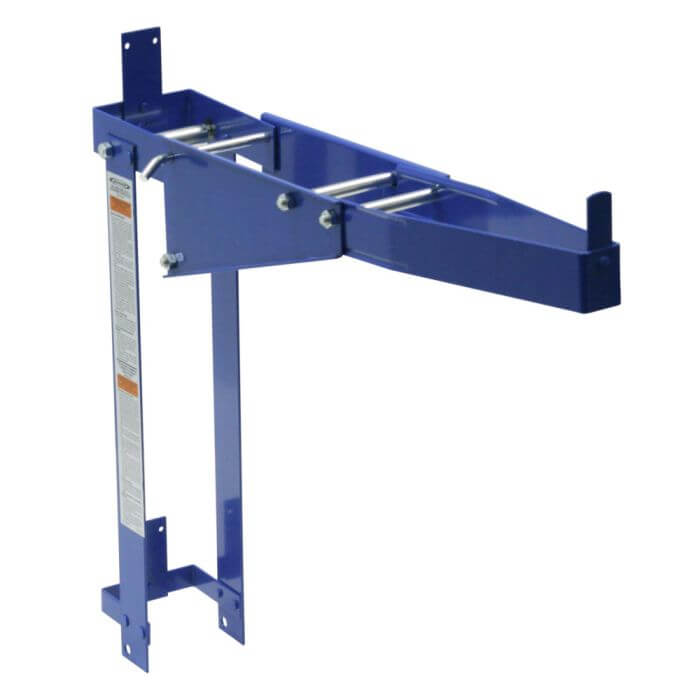
Werner SPJ-WB Steel Work Bench with Guard Rail Holder
Easily attaches to pole and pump jack. Provides work surface at comfortable user height. Accomodates up to 20" wide platforms. Economical and easy to operate. Meets ANSI and OSHA standards.
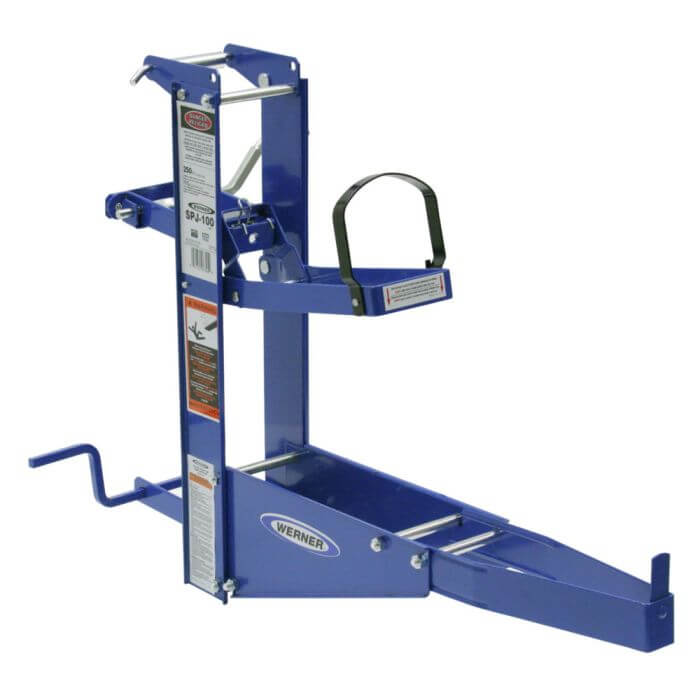
Werner SPJ-100 Steel Pump Jack
All steel parts have powder coated finish for use in all types of weather. The crank handle is easy to rotate for a smooth operation while lowering the pump jack. Ribbed side plates for added strength and twist-resistance. Some local OSHA codes require vertical fall protection at heights lower than 10 feet.
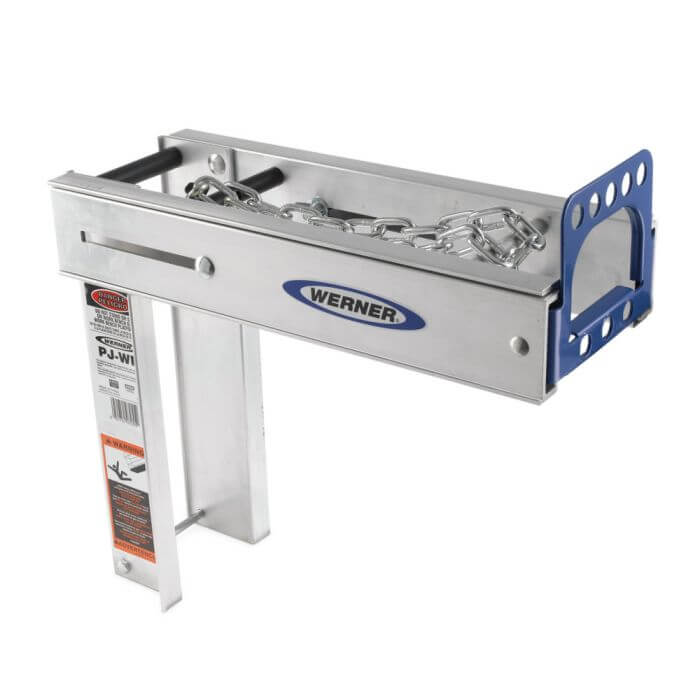
Werner PJ-WB Aluminum Work Bench
The workbench/stage and safety net or the guardrail and toe board combination help keep you within safe working boundaries meeting OSHA requirements.
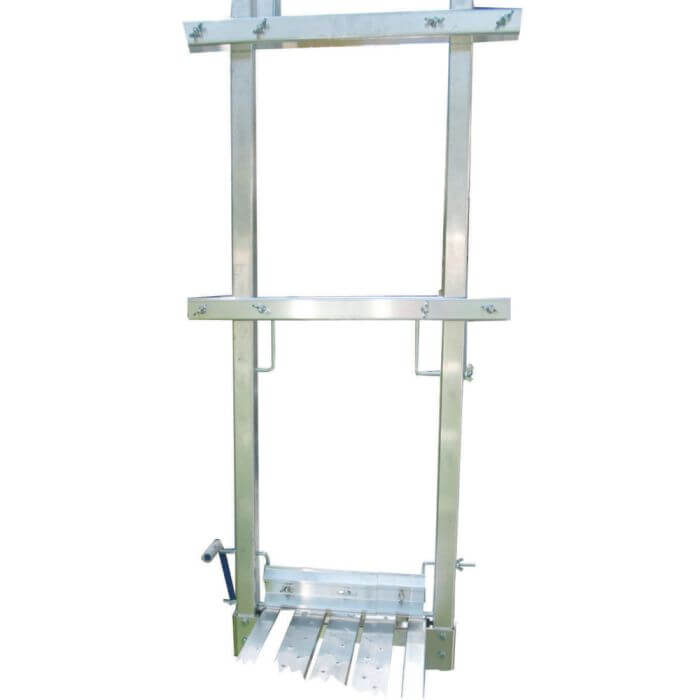
Werner PJ-ERW Aluminum Pump Jack Wide End Rail Kit
End guard rail for Werner Pump Jack Scaffolding stages. Provides fall protection. For use with stages up to 24"W.
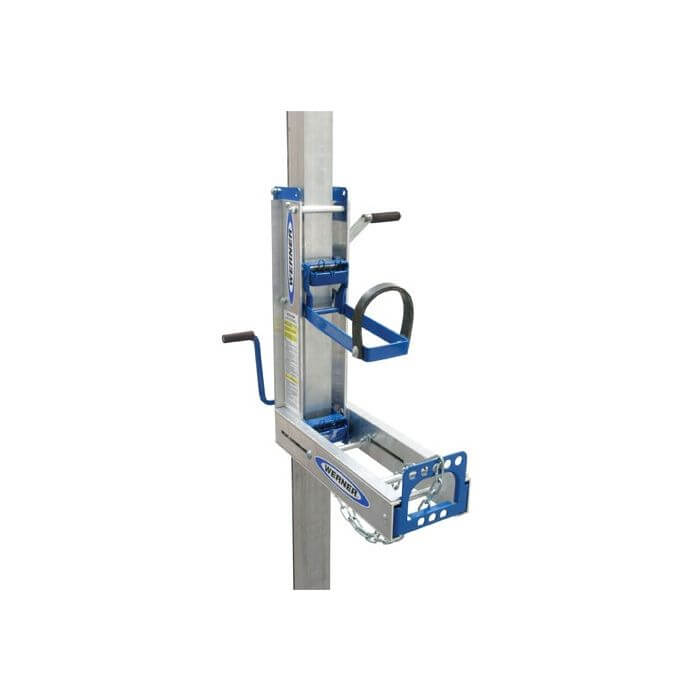
Werner PJ-100 Aluminum Pump Jack
All steel parts have powder coated finish for use in all types of weather. The crank handle is easy to rotate for a smooth operation while lowering the pump jack. Our exclusive aluminum "Z" channel is stronger than other leading competitors. This product is compatible with other major pump jack systems.
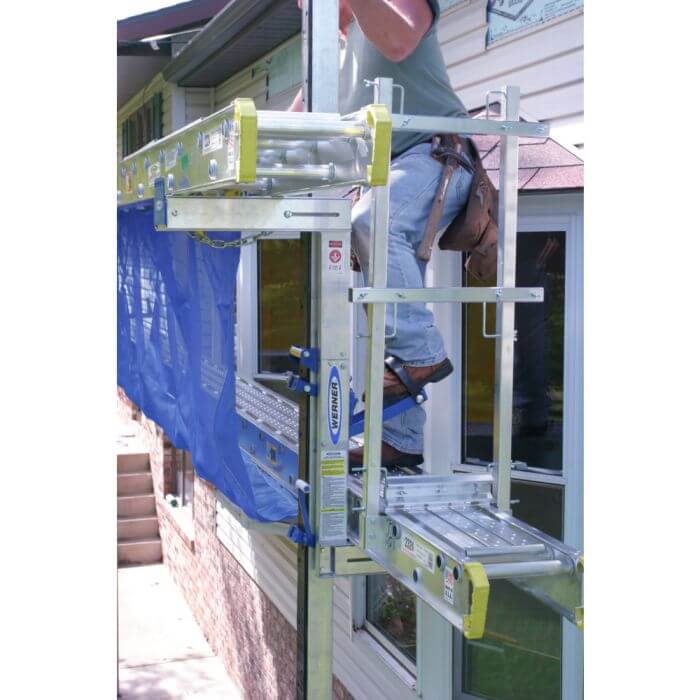
24'W x 24'H Werner Aluminum Pump Jack Scaffolding System
The Werner Pump Jack Scaffolding System is a must have for siding jobs. The system is easy to assemble and compatible with most major aluminum systems. There is no down time on the job with field replacement components.
At Werner, your safety is our priority. If you are working 10 feet or higher from a scaffold, OSHA requires vertical fall protection. Some local OSHA codes require vertical fall protection at heights lower than 10 feet.
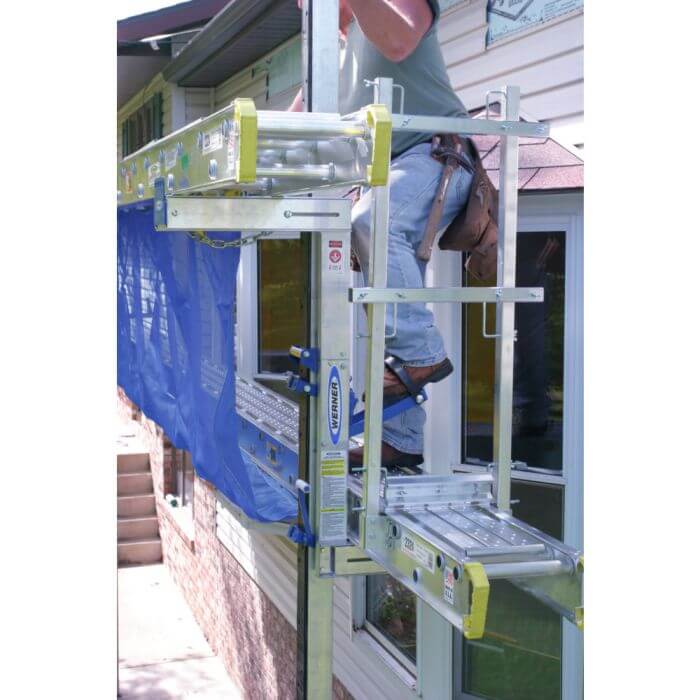
24'W x 48'H Werner Aluminum Pump Jack Scaffolding System
The Werner Pump Jack System is a must have for siding jobs. The system is easy to assemble and compatible with most major aluminum pump jack scaffolding systems. There is no down time on the job with field replacement components.
The workbench/stage and safety net or the guardrail and toe board combination help keep you within safe working boundaries meeting OSHA requirements.
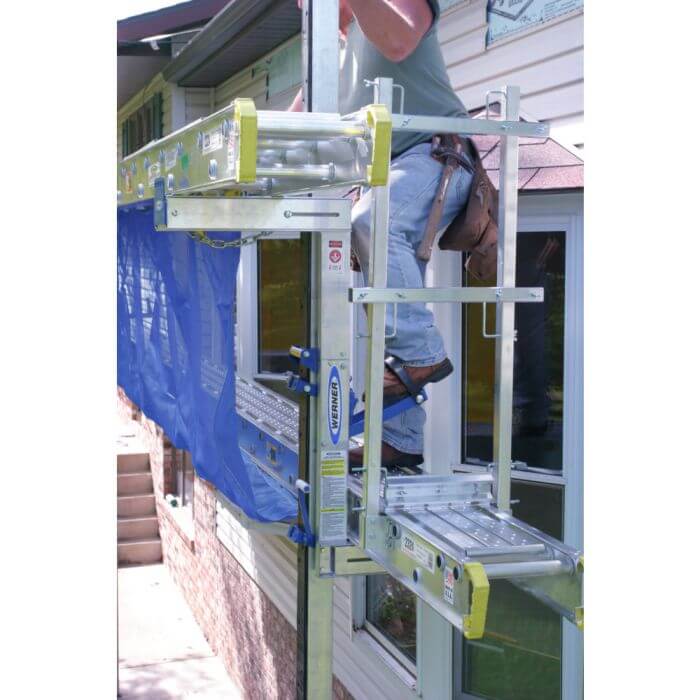
48'W x 48'H Werner Aluminum Pump Jack Scaffolding System
The Werner Pump Jack System is a must have for siding jobs. The Werner Pump Jack is easy to assemble and compatible with most major aluminum scaffolding systems. There is no down time on the job with field replacement components.
All steel parts of this aluminum scaffolding system have a powder coated finish for use in all types of weather.
At Werner, your safety is our priority. If you are working 10 feet or higher from a scaffold, OSHA requires vertical fall protection.