Every year, thousands of workers get injured on the job site through accidents that could easily be prevented. The common causes of these types of incidents are mainly related to missing equipment, incorrect equipment, or poor equipment maintenance.
In 2026, workplace safety planning is focused on prevention, controlled access, compliance, and worker protection. It comprises protective gear, storage options, fall-arrest systems, and other barriers that can help prevent accidents.
This guide covers the eleven most important types of industrial safety equipment every facility should have, along with tips for choosing and using them properly.
11 Essential Safety and Equipment Categories for Industrial Sites
1. Industrial Fall Protection Systems
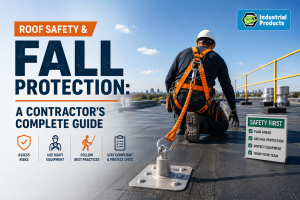
Falls are among the leading causes of accidents in workplaces across industry and construction sites. Industrial fall protection systems are necessary in work areas such as elevating platforms, roofs, ladders, mezzanines, and maintenance areas.
Common fall protection equipment includes:
- Safety harnesses
- Lanyards
- Anchor points
- Vertical lifelines
- Self-retracting lifelines
- Rope grabs
- Rescue and descent devices
- Confined space systems
These systems help workers remain secure while working at height and reduce fall impact risks. Different applications require different setups. Roofing work, elevated maintenance, confined spaces, and warehouse access areas all have unique fall protection requirements. OSHA-compliant systems should always be selected based on the work environment and fall clearance requirements.
2. Safety Harnesses and Personal Fall Arrest Equipment
A fall protection system is only effective when workers use the correct harness and connecting equipment. Full-body safety harnesses distribute fall forces more safely than body belts and are commonly used across industrial facilities and construction projects.
Important factors when selecting harnesses include:
- Weight capacity
- D-ring placement
- Padding and comfort
- Ease of adjustment
- Mobility requirements
- Weather resistance
Frequent elevated work also calls for regular inspection of safety harnesses for webbing damage, corrosion, and hardware wear. Training is equally crucial, as improper harness adjustment reduces the safety system's efficiency during a fall.
3. Ladder Safety Gates
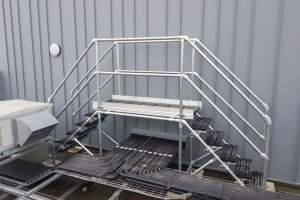
Open ladderways are serious fall hazards in warehouses, on roofs, in mezzanines, and on raised platforms. Ladder safety gates close these openings, creating an access point that can be monitored.
Self-closing ladder safety gates are commonly installed around:
- Roof hatch openings
- Elevated work platforms
- Stair access points
- Mezzanines
- Loading platforms
These gates help facilities maintain OSHA compliance while reducing accidental falls near access openings. They are especially useful in warehouses with frequent worker movement between elevated areas.
4. Protective Barriers and Guard Rails
Areas of industrial traffic can be hazardous, as employees are at risk of being struck by forklifts, carts, pallet jacks, or other mobile equipment. Barriers can help separate pedestrians, storage areas, and equipment traffic.
Common barrier solutions include:
- Safety bollards
- Guard rails
- Machinery guards
- Rack protection systems
- Column protectors
- Door and wall protection
- Security enclosures
The result is less infrastructure damage and safer employees in busy work areas. They are often used in warehouses to protect inventory shelves, loading docks, and production machinery from impact, and also to contain spills.
5. Safety Mats and Anti-Slip Flooring
Slips, trips, and fatigue-related injuries are common accidents in industrial settings with established working hours or slippery floors. Safety mats help prevent such hazards and provide comfort to workers.
Industrial safety mats are commonly used in:
- Manufacturing lines
- Welding stations
- Assembly areas
- Machine operation zones
- Warehouse workstations
Anti-slip and anti-fatigue mats can increase traction and relieve stress from prolonged standing. Mats with drainage properties and chemical resistance should be selected for environments involving liquid and oil use.
6. Safety Showers and Eye Wash Stations
An emergency shower is recommended equipment in chemical, dust, cleaning, and hazardous-substance processing plants. Safety showers and eye wash stations flush the user immediately in the event of contamination.
These systems are commonly installed in:
- Manufacturing plants
- Chemical processing facilities
- Laboratories
- Maintenance workshops
- Warehouses storing hazardous materials
The emergency washing facilities must always be easily locatable, easily accessible, and regularly checked to ensure their proper functioning.
7. PPE Safety Equipment for Daily Operations
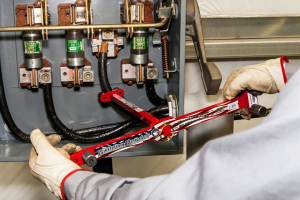
PPE safety equipment is still considered among the basic yet important factors for workplace safety. The appropriate use of personal protective equipment ensures protection from impact, dust, chemical, thermal, spark, and air-borne dangers.
Depending on the work environment, facilities may require:
- Respirators
- Protective clothing
- Eye protection
- Face shields
- Gloves
- Hearing protection
- Hard hats
- High-visibility wear
For facilities managing worker protection supplies and access control items, the available range of PPE & Safety Equipment can help support safer daily operations.
8. Material Handling and Storage Equipment
Improper handling techniques create the potential for back injuries, object drops, strikes against equipment, and aisle blockages. Neat storage and proper handling equipment make for safer and easier work.
Important storage and handling equipment includes:
- Storage racks
- Pipe carts
- Dollies
- Utility carts
- Safety cans and containers
- Workstations
- Drum handling systems
Proper material storage techniques will also enhance emergency access and housekeeping, as well as workflow management.
It is common for many organizations to utilize industrial material storage equipment that helps handle material movement, transportation, and even stock keeping.
9. Warning Sirens and Emergency Alert Systems
Emergency communication systems help facilities respond quickly when severe weather shows up, like during fires, evacuation periods, equipment failures, or other hazardous incidents that pop up suddenly.
Industrial warning systems may include:
- Outdoor warning sirens
- Audible alarms
- Visual alert systems
- Emergency notification devices
These systems are especially important for large facilities where workers may operate across multiple zones or noisy environments. Reliable alerts improve evacuation response times and emergency coordination.
10. Debris Netting and Restricted Area Protection
Construction areas, elevated work zones, and busy industrial sites often need systems to contain debris and limit access for safety.
Safety netting and protective screening help:
- Prevent falling object injuries
- Control debris movement
- Improve perimeter safety
- Separate hazardous work areas
- Increase visibility around restricted zones
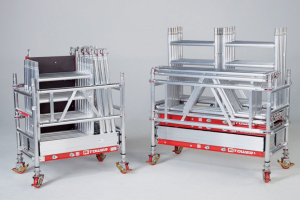
Such systems are typical in industrial maintenance jobs, roofing jobs, scaffolding arrangements, and live construction sites.
11. Job Site Tool Storage and Equipment Organization
Tool control is an important yet often neglected aspect of workplace safety. Improper storage of tools may lead to accidents and injuries and even hamper emergency response during accidents. Proper storage will help ensure that there is no risk involved.
Common tool storage solutions used in industrial environments include:
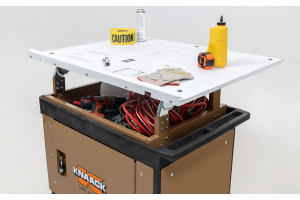
- Job site boxes
- Mobile tool storage units
- Lockable storage cabinets
- Portable storage chests
- Heavy-duty storage containers
- On-site security storage systems
Such systems play a key role in ensuring that the tools are protected against any form of theft or exposure to weather conditions, while at the same time, they will always be stored in their respective places. In heavy industries, secure storage also helps reduce congestion in the walkways.
Essential PPE Checklist for Manufacturing Facilities
Match PPE selection to identified hazards:
| Hazard | Minimum PPE |
| Flying debris/grinding | Safety glasses or goggles, face shield |
| Chemical splash | Chemical goggles, face shield, chemical-resistant gloves, and coveralls |
| Noise above 85 dB | Earplugs or earmuffs rated to reduce exposure below 85 dB |
| Fall hazard above 4 ft (general industry) | Full-body harness, lanyard, anchor point |
| Working at heights with lateral movement | Horizontal lifeline system |
| Welding | Welding curtains, welding goggles, flame-resistant clothing |
| Confined space entry | Confined space system (tripod, retrieval winch, lifeline), atmospheric monitoring |
How to Choose the Right Fall Protection System for Construction and Industrial Sites
Choosing fall arrest gear requires evaluating your specific working environment:
- Determine Fall Clearance: Verify that the clearance from the platform to the ground surface offers sufficient room to allow a harness to extend its energy absorber before coming into contact with the surface below.
- Analyze the Load Capacity of the Anchor: Anchorage straps and connectors should have a load capacity of at least 5,000 pounds per individual using the system, either through engineering or design.
- Select Webbing Based on the Working Environment: For normal work positioning operations, use high-strength webbing. However, in cases where the work involves fresh concrete or corrosive substances, switch to coated or specialized web-loop material.
Take Away
Safety in the workplace is not limited to one product but can be defined as a program that is formed from the use of appropriate equipment, training, regular inspection, and layout of the facility that will help in eliminating hazards before they lead to incidents. Some of the types of equipment, which include but are not limited to fall protection, ladder safety gates, guardrails, access equipment, personal protective equipment, etc., are key components of facility safety programs.
Whether you need to add or upgrade safety equipment in your facility, Industrial Products offers a full range of workplace safety products from reputable manufacturers and has the experience to help guide you in selecting the equipment best suited to your needs.
Frequently Asked Questions
How to Choose the Right Fall Protection System for Construction Sites?
Select the right system of safety depending on the height involved, working zone, and mobility of the employees. A majority of safety systems combine safety harnesses, lifelines, anchor points, and guardrails. All selected systems must adhere to safety regulations and have provisions for rescue.
Industrial Ladder Safety Checklist for Warehouses & Facilities
Always inspect the ladder before you use it, and put it down on a steady surface. When you are going up the ladder, try to keep three points of contact, and don’t ever exceed the ladder's weight limit.
Warehouse Safety Best Practices to Reduce Workplace Injuries
Keep aisles and passageways free of obstructions. Make a clear separation between pedestrians and vehicles. Good lighting, proper machine checks, and training can prevent work accidents.
Essential PPE Checklist for Manufacturing Facilities
Manufacturers ought to provide the suitable PPE to their employees according to the nature of the work. These may be hard hats, safety glasses, gloves, masks, ear protection, safety shoes, and special clothing. PPE needs to be monitored, workers need to be trained on how to use it properly, and it must be replaced if damaged to ensure worker protection.