

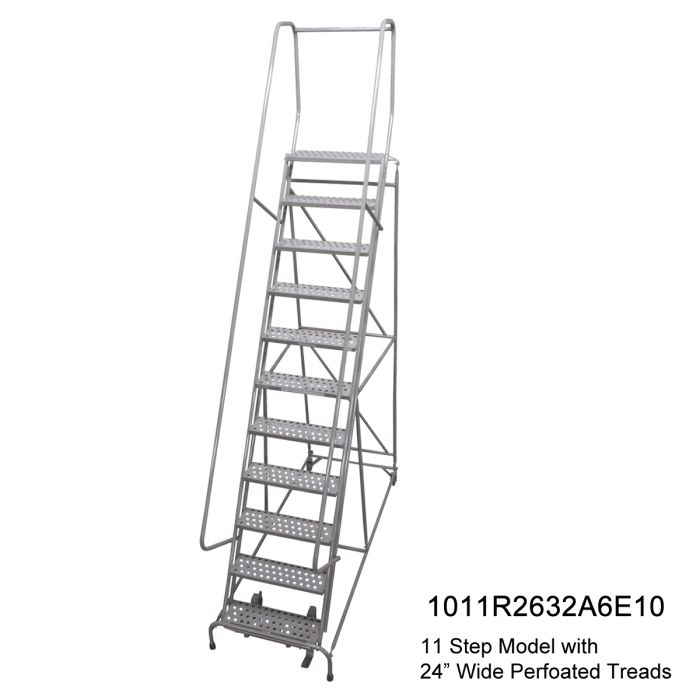
Selecting the best warehouse ladder isn’t about picking any model off the shelf - lasting problems often start with a rushed decision, not with how the ladder is used. While different options might look similar at first glance, small variations in design, climbing angle, platform size, and mobility can have a big impact on day-to-day workflow and safety.
It’s common for ladder choices to be made quickly, especially when a sudden change in warehouse layout or new safety concern arises. Many buyers focus on obvious criteria: height, cost, and what’s in stock. But once the ladder is in regular use, its shortcomings become clear. Congested aisles, awkward movement, or unsafe ‘workarounds’ can become the new normal-unless you start with the right equipment.
Your ladder decision needs to serve your operation not just during installation, but for years to come. It’s easy to focus only on what you need right now and forget about how your workflow might evolve. But ignoring factors like warehouse traffic patterns, shared use, or evolving safety needs can lead to regret and extra expenses later.
This guide breaks down how real warehouse activity should shape your ladder selection. We’ll help you consider access needs, mobility, safety, and durability so you can confidently choose a ladder that won’t need replacing after a few months.
Step 1: Pinpoint Warehouse Work and Access Needs
The biggest ladder headaches usually come from overlooking what really happens on your floor. Choosing a ladder just by height or looks neglects how it’ll be used in your exact workflow. You’ll need to think about the type of job, how often people will use the ladder, and where it’ll be moved.
Warehouse Tasks That Need Ladders
Different tasks - like stock picking, inspections, maintenance, or staging - each put unique pressure on ladder design. Repeated climbing, material lifting, and standing in place all demand special attention to ladder stability, platform area, and descent control. Even if a ladder fits the right height, the details can make it clumsy or unsafe if the task demands aren’t considered.
How Often Will the Ladder Be Used?
There’s a big difference between ladders used once a day and those used all day long. Ladders needed for repeated climbs should minimize operator fatigue and lower the risk of shortcuts that could compromise safety. More frequent usage makes rock-solid stability essential.
Warehouse Layout, Traffic, and Aisle Size
Don’t treat all warehouse environments the same. Tight aisles, high-traffic areas, or permanent obstacles each call for ladders with different footprints and mobility features. A ladder that works perfectly in one corner could become a headache somewhere else. Always factor in how easily your ladder can move and lock safely into position.
Step 2: Know Your Warehouse Ladder Types (and When to Use Each One)
With your workflow clearly defined, let's look at the main warehouse ladder types and find the right fit for each scenario.
| Ladder Type | Best For | Avoid When |
| Rolling Warehouse Ladders | Frequent access in varied locations | Space is extremely limited |
| Forward-Descent Ladders | Order picking while carrying loads | Only used occasionally |
| All-Directional Rolling | Tight aisles, congested spaces | Access points never change |
| Cantilever Ladders | Obstacles block a direct climb | No obstructions in access path |
| Track-Mounted Ladders | Long, straight aisles, fixed access | Access points shift often |
| Foldable and Compact Ladders | Areas with minimal storage space | Constant, all-day use |
| Work Platforms | Standing or complex work at height | Climbing is brief or infrequent |
| Office Ladders (Avoid!) | Light, rare use only | Any industrial warehouse task |
Rolling Warehouse Ladders handle a broad range of daily needs where quick repositioning is a must.
Forward-Descent Ladders are angled for safer climbing and carrying, ideal for busy order-picking zones.
All-Directional Rolling Ladders shine in tight or busy aisles, moving easily in any direction without turning.
Cantilever Ladders help you reach over fixed obstacles or awkward structures without moving racking or machinery.
Track-Mounted Ladders roll smoothly along long aisles, staying aligned and saving space—perfect for predictable access routes.
Fold-N-Store Ladders and compact designs are made for warehouses where space is a premium and ladders need to be stored out of the way.
Work Platforms offer spacious, secure working areas at height, perfect for tasks that take time or require both hands.
Office Ladders might sound convenient, but they lack the stability and capacity needed for real warehouse work—don’t risk it.
Step 3: Choosing the Right Ladder Material
Selecting the correct ladder material affects everything from maneuverability to long-term durability and even employee safety.
· Aluminum Ladders
Lightweight and easy to move—great for frequent relocation. They resist corrosion but make sure the weight capacity matches your needs.
· Steel Ladders
Designed for heavy-duty, industrial use. Heavier, but offer excellent stability and stand up to constant, shared use.
· Stainless Steel Ladders
The top pick for environments exposed to moisture, chemicals, or rigorous cleaning—like food storage or pharmaceutical warehouses.
Consider your warehouse's handling habits, exposure to elements, and the ladder's load requirements before picking a material.
Step 4: Check Height, Platform Size, and Load Capacity
Most ladders get swapped out early because platform height, standing space, or load limits were guessed, not measured.
· Platform Height vs. Working Height:
Platform height is where you stand; working height is where the job happens. Confusing the two means employees might need to stretch or reach dangerously.
· Step Count and Angle:
More steps mean more climbing. Steeper ladders demand extra care. Safe access for carrying items often calls for gentler angles—50° is a good guide.
· Load Capacity:
Add up operator weight, tools, materials, and PPE. Underestimating here leads to unsafe conditions and more maintenance.
Step 5: Prioritize Mobility, Stability, and Safety
A ladder that's wobbly under pressure, hard to position, or missing key safety features can turn into a liability - no matter how well it looked on paper.
· Casters and Locking:
Smooth, safe movement plus auto-lock features reduce risk and aid productivity. Poorly locking ladders slow operations or, worse, lead to accidents.
· Handrails and Guardrails:
The longer workers are at height, the more guardrails and wider platforms matter. Make sure platform designs allow for easy movement and stability.
· OSHA/ANSI Compliance:
Only invest in ladders that meet (or exceed) these standards. Non-compliance means potential injuries, audit stress, and costly replacements.
Step 6: Think Ahead—Long-Term Ladder Considerations
Your warehouse isn’t static - neither are your ladder needs. A good buying decision today should serve you well as operations grow and change.
· Storage and Space:
Foldable ladders maximize usable floor area. Track-mounted options keep the aisles clear.
· Maintenance and Longevity:
Inspect wheels, locks, and treads regularly. Heavy-duty materials reduce replacement cycles and cost in the long run.
· Scalability:
Modular or flexible ladders that adapt to new layouts or increasing volumes will pay off as your warehouse evolves.
Warehouse Ladder Buying Mistakes to Avoid
· Shopping on price alone—often ends with early replacement.
· Choosing too much height and not enough platform space—forces employees to overreach.
· Neglecting movement needs—can cause aisle congestion and slowdowns.
· Using office ladders in a warehouse—puts everyone at risk.
· Assuming all ladders are created equal—every task, traffic pattern, and team is different.
Final Warehouse Ladder Selection Checklist
· Is the primary task and duration at height clearly defined?
· Does the platform height match real working height?
· Is load capacity calculated with all tools and gear included?
· Can the ladder be moved easily in your aisle and workflow?
· Does the ladder automatically lock for stability and safety?
· Is it OSHA and ANSI compliant?
· Will the storage footprint work with available space?
Conclusion – Choosing a Ladder That Works for You
The best warehouse ladder is one you barely notice - because it fits the job, supports safe workflow, and requires almost no second thought. By matching ladder features to actual work requirements, access frequency, and floor demands, you’re investing in safer, more productive operations and fewer hassles for your team.
Our carefully curated range includes rolling ladders, task-focused platforms, and space-saving designs for every setting. Use this guide as your roadmap, and you'll avoid the hidden cost of equipment that falls short in real-world use.
Frequently Asked Questions: Warehouse Ladder Selection
1. What factors are most important when choosing a warehouse ladder?
Start with how and where you'll use the ladder, and how often. Frequency, task type, and nearby traffic matter more than just height. Choose specs—like capacity and safety features—that match those needs.
2. What is the 4-to-1 rule for ladders?
For leaning ladders, the base should be placed 1 foot out for every 4 feet of height. In warehouses, this mostly applies to fixed or portable leaning ladders, not rolling or platform ladders.
3. How do rolling and fixed ladders differ?
Rolling ladders move with the worker; fixed ladders are installed in one place (like for mezzanine access). Pick based on whether you need flexible or permanent access.
4. Which safety standards should warehouse ladders meet?
Always look for ladders compliant with OSHA and ANSI standards—covering stability, load, and fall protection—to avoid future headaches.
5. Steel vs. aluminum ladders: which is better?
Steel is best for heavy, constant use; aluminum is better when light weight and easy relocation are priorities. Choose based on your workflow, not just material preference.